Index
- What Is Fescue Sod?
- Why Fescue Can Be a Good Choice for Tulsa Lawns
- Key Benefits of Fescue Sod
- How Fescue Performs in Shaded Areas
- Fescue Sod and Oklahoma’s Seasonal Climate
- Soil Preparation Before Fescue Sod Installation
- Watering Requirements for a Healthy Fescue Lawn
- Mowing and Seasonal Maintenance Tips
- Common Fescue Lawn Problems and How to Reduce Them
- Best Time to Install Fescue Sod in Tulsa
- Fescue vs. Bermuda and Zoysia
- The Role of Irrigation and Drainage
- Why Professional Sod Installation Matters
- How Arenas Sod Helps Create Stronger Lawns
- Is Fescue Sod Right for Your Property?
Fescue Sod Tulsa: A Smart Choice for Cooler Seasons and Shaded Lawns
Choosing the right grass for an Oklahoma property can be challenging. Tulsa homeowners must consider hot summers, cooler winters, changing rainfall patterns, soil conditions, irrigation needs, and the amount of sunlight different areas of the yard receive. A grass variety that performs beautifully in one property may struggle in another.
For homeowners researching Fescue sod Tulsa options, this cool-season grass can offer important advantages. Fescue is known for its attractive green appearance, ability to perform during cooler periods, and better tolerance of partial shade compared with many warm-season grasses.
These characteristics can make Fescue especially appealing for properties with mature trees, mixed sun exposure, or homeowners who value green color beyond the primary warm-season growing period.
However, successful results depend on proper planning. Fescue has different watering, maintenance, and seasonal requirements than Bermuda, Tiff Tuff, or Zoysia. Understanding those differences before installation is essential.
This guide explains the benefits of Fescue sod, the conditions it prefers, the challenges homeowners should consider, and how professional preparation can support a healthier, longer-lasting lawn.
What Is Fescue Sod?
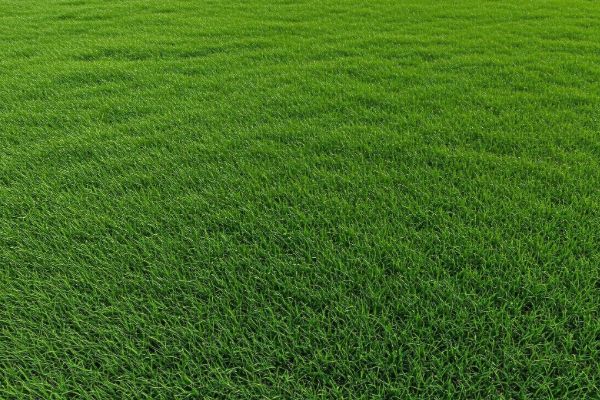
Fescue is a cool-season grass commonly used in residential landscapes where cooler-weather growth and shade tolerance are important priorities.
Unlike warm-season grasses that become most active during the hottest months, Fescue performs best during cooler conditions. It typically maintains active growth during periods when warm-season lawns may slow down or enter dormancy.
Fescue is often recognized for:
- Rich green appearance
- Medium to coarse blade texture
- Good performance in cooler weather
- Better shade tolerance than many warm-season grasses
- Adaptability to different residential landscapes
- Attractive year-round potential with proper care
For Tulsa homeowners, these characteristics can be valuable because many properties contain a combination of sunny and shaded areas.
Still, Fescue should not be selected based on appearance alone. Water availability, summer exposure, soil condition, and maintenance expectations should all influence the decision.
Why Fescue Can Be a Good Choice for Tulsa Lawns
Tulsa sits in a region where homeowners often face a difficult turf decision. Summers can be extremely hot, but winters are cool enough to affect warm-season grass appearance and activity.
This creates a situation where both warm-season and cool-season grasses may be considered depending on the property.
Fescue can be particularly attractive when:
- The yard receives partial shade
- Mature trees reduce direct sunlight
- Cooler-season color is a priority
- The homeowner accepts higher summer watering needs
- The property has an appropriate irrigation strategy
- Soil and drainage conditions support healthy roots
For homeowners searching for Fescue sod Tulsa solutions, the most important question is not whether Fescue is universally better than other grasses. The question is whether it matches the specific conditions of the property.
A professional evaluation can help determine whether Fescue, Bermuda, Tiff Tuff, or Zoysia offers the strongest long-term fit.
Key Benefits of Fescue Sod
Fescue offers several advantages that make it a valuable option for certain Oklahoma landscapes.
Strong Cooler-Season Performance
Fescue is a cool-season grass, which means it can maintain active growth and attractive color during conditions that cause warm-season grasses to slow down.
Better Shade Tolerance
One of the biggest reasons homeowners consider Fescue is its ability to perform with less direct sunlight than Bermuda grass.
Attractive Green Appearance
A properly maintained Fescue lawn can create a rich, green landscape with a full and inviting appearance.
Immediate Coverage with Sod
Installing sod provides established turf coverage much faster than starting a lawn entirely from seed.
Versatility for Residential Properties
Fescue can work well in yards with mixed environmental conditions, particularly when shade is a major consideration.
These benefits make it a strong candidate for homeowners who understand and are prepared for its seasonal maintenance needs.
How Fescue Performs in Shaded Areas
Shade is one of the most important factors in sod selection.
Many homeowners want Bermuda grass because of its durability and heat performance, only to discover that parts of their yard do not receive enough sunlight for dense growth.
Fescue generally offers better shade tolerance, making it worth considering for:
- Yards with mature trees
- Areas near tall fences
- Lawns shaded by the home
- Properties with morning sun and afternoon shade
- Landscapes with changing sun exposure
However, “shade tolerant” does not mean “no sunlight required.”
Extremely dark areas beneath dense tree canopies may challenge almost any turfgrass. Trees also compete with grass for:
- Water
- Nutrients
- Root space
Before installing Fescue, the property should be evaluated realistically. Sometimes tree trimming, irrigation adjustments, soil improvement, or alternative landscaping solutions may be necessary.
Fescue Sod and Oklahoma’s Seasonal Climate
Oklahoma weather can place significant stress on cool-season lawns.
Fescue generally performs best during:
- Fall
- Mild winter periods
- Early spring
- Cooler portions of the growing year
The greatest challenge often arrives during summer.
High temperatures can increase:
- Water demand
- Evaporation
- Heat stress
- Disease pressure under poor watering practices
This does not automatically mean Fescue is a poor choice for Tulsa. It means homeowners need to understand that summer management is especially important.
A successful Fescue lawn may require:
- Efficient irrigation
- Appropriate mowing height
- Careful watering schedules
- Good drainage
- Monitoring during extreme heat
- Seasonal recovery practices when needed
Choosing Fescue is therefore both a sod decision and a maintenance decision.
Soil Preparation Before Fescue Sod Installation
Even premium sod can struggle when installed over poorly prepared soil.
Before installation, the site should be evaluated for:
- Existing grass and weeds
- Soil compaction
- Low areas
- Drainage problems
- Construction debris
- Uneven surfaces
- Poor irrigation coverage
Depending on the property, preparation may include:
- Old sod removal
- Clearing rocks and debris
- Dirt work
- Soil leveling
- Grading
- Drainage correction
- Surface preparation for root contact
The objective is to create a stable and consistent foundation.
Proper root-to-soil contact is especially important after installation. Air gaps and uneven surfaces can interfere with establishment and contribute to inconsistent moisture.
At Arenas Sod, preparation services can be coordinated with sod installation so the lawn is treated as a complete system rather than a simple surface upgrade.
Watering Requirements for a Healthy Fescue Lawn
Water management is one of the most important considerations for Fescue in Tulsa.
Immediately After Installation
New sod needs consistent moisture while roots begin connecting with the underlying soil.
During this period, the lawn should not be allowed to dry excessively. At the same time, unnecessary saturation should be avoided.
Watering frequency depends on:
- Temperature
- Wind
- Rainfall
- Soil type
- Drainage
- Sun exposure
- Installation season
After Establishment
Once established, watering practices should encourage stronger roots rather than constant shallow moisture.
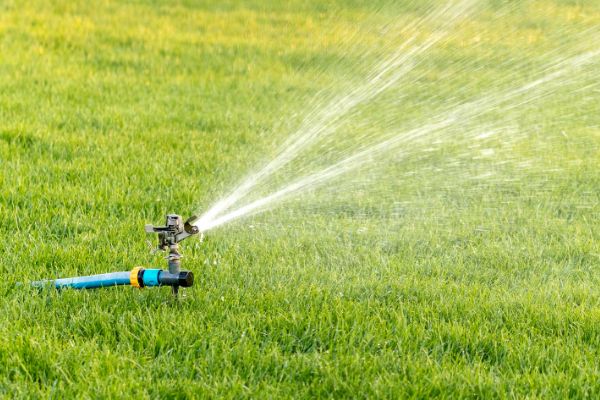
A professional irrigation system can improve consistency, but only when:
- Sprinkler heads function correctly
- Zones provide appropriate coverage
- Schedules reflect seasonal conditions
- Water is not wasted on pavement
- Leaks are repaired
- Shaded and sunny areas are considered separately
Fescue's summer water needs should be considered before installation, particularly for homeowners focused on long-term maintenance costs.
Mowing and Seasonal Maintenance Tips
A healthy Fescue lawn benefits from consistent care.
Avoid Cutting Too Short
Fescue is generally maintained at a taller height than some warm-season grasses. Taller growth can help shade the soil surface and support the lawn during stress.
Follow the One-Third Principle
Avoid removing too much of the grass blade in a single mowing session. Sudden aggressive cutting can stress the lawn.
Keep Blades Sharp
Sharp mower blades create cleaner cuts. Dull blades tear the grass and can leave the lawn with a rough appearance.
Adjust Maintenance by Season
Fescue growth changes throughout the year. Mowing frequency and irrigation should respond to actual conditions rather than remaining fixed.
Monitor Compaction
If soil becomes compacted, aeration may help improve movement of air, water, and nutrients into the root zone.
Seasonal maintenance should always reflect the condition of the lawn rather than following a rigid one-size-fits-all routine.
Common Fescue Lawn Problems and How to Reduce Them
Fescue can create a beautiful lawn, but homeowners should understand potential challenges.
Summer Heat Stress
Extended periods of high temperatures can weaken cool-season turf.
How to reduce the risk: Use appropriate watering practices, maintain suitable mowing height, and monitor the lawn during extreme weather.
Overwatering
Homeowners sometimes respond to heat by watering excessively.
How to reduce the risk: Evaluate soil moisture and irrigation coverage rather than assuming more water is always beneficial.
Poor Drainage
Standing water can create unhealthy root conditions.
How to reduce the risk: Address grading and drainage issues before they become chronic.
Uneven Irrigation
Some sections may receive too much water while others remain dry.
How to reduce the risk: Inspect sprinkler coverage and repair damaged irrigation components.
Heavy Traffic
Repeated activity can thin turf and compact the soil.
How to reduce the risk: Manage high-traffic zones and consider aeration when compaction becomes significant.
The goal is not to eliminate every possible challenge. It is to identify problems early and respond appropriately.
Best Time to Install Fescue Sod in Tulsa
Timing can significantly influence establishment.
Because Fescue is a cool-season grass, fall is often an attractive period for installation. Cooler temperatures can reduce heat stress while allowing the grass to establish before more extreme seasonal conditions.
Early spring may also offer opportunities depending on:
- Weather
- Soil temperature
- Water availability
- Property readiness
- Upcoming summer conditions
Installing Fescue immediately before intense heat may create additional establishment challenges.
A professional assessment can help determine the appropriate timing based on current Tulsa conditions and the specific property.
Fescue vs. Bermuda and Zoysia
Homeowners often compare these grass types before investing in sod.
Fescue
Often preferred for:
- Partial shade
- Cooler-season growth
- Rich green appearance
- Properties with mixed sunlight
Bermuda
Often preferred for:
- Full sun
- Heat tolerance
- Active family use
- Strong warm-season recovery
Zoysia
Often preferred for:
- Dense appearance
- Moderate shade tolerance
- Warm-season performance
- Lower vertical growth
No single grass is automatically best.
The right choice depends on:
- Sunlight
- Water availability
- Lawn use
- Maintenance preferences
- Seasonal appearance goals
- Budget
- Soil conditions
Arenas Sod offers multiple sod varieties so homeowners can select a solution based on actual property needs.
The Role of Irrigation and Drainage
A successful Fescue lawn depends heavily on water management.
Two systems are especially important:
Irrigation
An effective irrigation system helps distribute water consistently.
Problems such as broken heads, poor zoning, or incorrect schedules can create:
- Dry spots
- Excessive moisture
- Runoff
- Uneven growth
Drainage
Fescue needs moisture, but persistent standing water can create serious problems.
Drainage solutions may be needed when a yard has:
- Low spots
- Poor grading
- Heavy runoff
- Water accumulation
- Slow-draining areas
The objective is balance: enough moisture to support healthy turf without creating saturated conditions.
Because Arenas Sod provides irrigation installation, irrigation repairs, drain services, and dirt work, these systems can be considered alongside the sod project.
Why Professional Sod Installation Matters
Professional installation helps address the factors that homeowners may not immediately see.
Before sod is installed, the property may require:
- Old grass removal
- Soil preparation
- Leveling
- Grading
- Drainage correction
- Irrigation evaluation
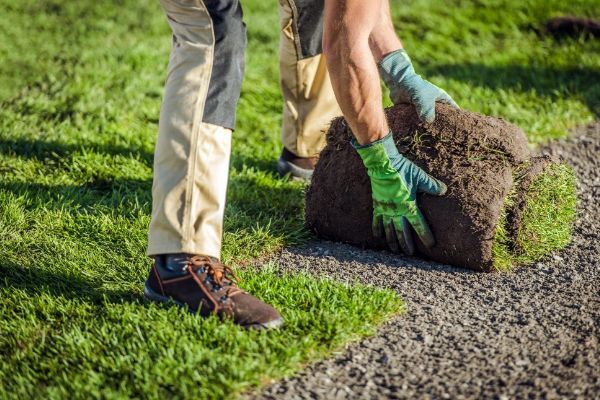
During installation, careful placement supports:
- Better soil contact
- Consistent seams
- More uniform appearance
- Improved establishment
After installation, homeowners also need clear guidance on watering and early care.
For those investing in Fescue sod Tulsa installation, these details can significantly influence long-term results.
How Arenas Sod Helps Create Stronger Lawns
At Arenas Sod, lawn improvement involves more than delivering rolls of grass.
Services include:
- Sod installation
- Aeration and overseeding
- Sod removal
- Dirt work
- Grading and soil leveling
- Drain services
- Irrigation system installation
- Irrigation repairs
This broader service approach is valuable because lawn problems are often connected.
For example:
- A shaded lawn may need a different sod variety.
- A low area may need grading before installation.
- Standing water may require drainage improvements.
- An old sprinkler system may need repair.
- Existing turf may need professional removal.
By evaluating the complete property, Arenas Sod can help homeowners create stronger conditions for long-term lawn performance.
Is Fescue Sod Right for Your Property?
Fescue may be worth considering if your property has:
- Partial shade
- Mature trees
- Mixed sunlight
- A preference for cooler-season green color
- Reliable irrigation
- A homeowner prepared for summer maintenance
Before deciding, ask:
- How much direct sunlight does the lawn receive?
- Are there areas of standing water?
- Is the irrigation system reliable?
- How much summer maintenance is realistic?
- Will the lawn experience heavy traffic?
- Is cooler-season appearance a priority?
These questions help determine whether Fescue matches your property and expectations.
Conclusion: Choose Sod Based on Your Property
The best lawn starts with the right match between grass variety, property conditions, and homeowner expectations.
For properties with partial shade and a preference for cooler-season performance, Fescue sod Tulsa homeowners consider can be a smart solution. Its attractive green appearance and improved shade tolerance offer important advantages compared with many warm-season grasses.
However, successful Fescue lawns require thoughtful planning. Soil preparation, irrigation, drainage, installation timing, and summer maintenance all play essential roles.
Contact Arenas Sod today to discuss Fescue sod installation in Tulsa and surrounding areas. Our team can help evaluate your yard, prepare the site, and determine the right sod solution for your property.