Index
- What Is Tiff Tuff Sod?
- Why Tiff Tuff Is Well Suited to Tulsa Lawns
- Key Benefits of Tiff Tuff Sod
- How Tiff Tuff Handles Heat and Drought
- Sunlight and Soil Requirements
- Tiff Tuff Sod for Active Families and High-Traffic Areas
- Watering and Irrigation After Installation
- Maintenance Tips for a Healthy Tiff Tuff Lawn
- Common Problems and How to Prevent Them
- Best Time to Install Tiff Tuff Sod in Tulsa
- Tiff Tuff vs. Traditional Bermuda Grass
- Why Professional Sod Installation Matters
- How Arenas Sod Helps Build Stronger Tulsa Lawns
- Is Tiff Tuff Sod Right for Your Property?
Tiff Tuff Sod Tulsa: A Drought-Tolerant Choice for Stronger Oklahoma Lawns
Choosing the right sod for an Oklahoma property requires more than selecting grass based on color or appearance. A successful lawn must be able to handle intense summer heat, periods of limited rainfall, regular foot traffic, and the specific conditions of the property where it will grow. For homeowners researching Tiff Tuff sod Tulsa options, this warm-season turf can be an excellent choice when durability, drought tolerance, and attractive growth are priorities.
Tiff Tuff is a Bermuda grass variety developed to deliver strong performance under demanding conditions. Its ability to maintain a dense lawn while using water efficiently makes it especially appealing in regions where summer stress can challenge residential turf.
However, no sod variety is automatically right for every yard. Sun exposure, soil preparation, drainage, irrigation, intended lawn use, and maintenance expectations should all be evaluated before installation.
This guide explains what makes Tiff Tuff different, how it performs in Oklahoma conditions, and why professional preparation and installation can make a significant difference in long-term lawn success.
What Is Tiff Tuff Sod?
Tiff Tuff is a warm-season Bermuda grass variety known for its resilience and efficient use of water. Like other Bermuda grasses, it performs best during warmer months, when active growth allows the turf to develop a dense surface and recover from normal wear.
Homeowners often consider Tiff Tuff because it combines several desirable characteristics:
- Strong drought tolerance
- Dense turf growth
- Good recovery from traffic
- Attractive texture
- Strong performance in sunny areas
- Efficient water use once established
- Suitability for residential and other maintained landscapes
These characteristics can make Tiff Tuff an attractive alternative for property owners who want the durability associated with Bermuda grass while placing additional importance on water efficiency.
It is important to remember that drought tolerance does not mean a lawn never needs water. Newly installed sod requires careful irrigation during establishment, and mature turf still benefits from appropriate watering during prolonged dry conditions.
Why Tiff Tuff Is Well Suited to Tulsa Lawns
Tulsa landscapes can face significant seasonal variation. Hot summer temperatures may place lawns under stress, while periods of heavy rain can expose grading or drainage problems. Some properties also contain compacted soil or areas where water distribution is inconsistent.
A grass variety must therefore work as part of a complete lawn system.
Tiff Tuff can be a strong option because it is adapted to warm conditions and can perform well when properly established. Homeowners may appreciate its ability to:
- Remain productive during hot weather
- Recover from regular lawn activity
- Develop dense coverage
- Use water efficiently
- Handle periods of reduced moisture better than less drought-tolerant options
For people searching for Tiff Tuff sod Tulsa services, the key is not simply finding the grass itself. Successful results depend on matching the sod to the property and preparing the site correctly.
A lawn with poor drainage, excessive shade, severe compaction, or inadequate irrigation may struggle regardless of the quality of the sod installed.
Key Benefits of Tiff Tuff Sod
Tiff Tuff offers several advantages that make it worth considering for Oklahoma properties.
Strong Drought Tolerance
One of its most recognized characteristics is its ability to perform under limited-water conditions once properly established. This can be particularly valuable during hot Oklahoma summers.
Dense Lawn Appearance
Tiff Tuff can create a thick, uniform turf surface when installed and maintained correctly. Dense growth contributes to a polished appearance and can improve the overall presentation of a property.
Good Traffic Recovery
Residential lawns are often active spaces. Children play outside, pets cross the yard, and regular gatherings create repeated foot traffic. Tiff Tuff's growth characteristics can help it recover from normal wear.
Heat Performance
As a warm-season grass, it is naturally suited to active growth during hot weather. This is an important advantage in a region where summer conditions can stress less heat-tolerant turf.
Water Efficiency
Efficient water use can be valuable for homeowners who want a strong lawn without relying on unnecessary irrigation. Proper scheduling remains essential, but choosing an appropriate grass variety is an important part of responsible lawn management.
Attractive Texture
Beyond performance, homeowners also care about appearance. Tiff Tuff can create a clean, dense landscape that enhances curb appeal when mowing, watering, soil health, and other maintenance practices are properly managed.
How Tiff Tuff Handles Heat and Drought
Summer is often the season that reveals whether a lawn is truly suited to its environment. High temperatures increase evaporation, place stress on grass, and can expose weak root systems or inefficient watering practices.
Tiff Tuff is appealing because it was selected for strong performance under drought stress. Once established, its root system and growth characteristics help it use available moisture effectively.
This can provide several practical advantages:
- Improved resilience during dry weather
- Reduced dependence on excessive watering
- Better recovery after periods of stress
- Stronger performance during the active growing season
Still, drought tolerance should not be confused with neglect tolerance.
A healthy lawn depends on appropriate management. Newly installed sod needs consistent moisture while roots begin establishing in the underlying soil. Even mature turf may require supplemental irrigation during extended dry periods.
The goal is not to eliminate watering. The goal is to water intelligently and support a lawn that can use moisture efficiently.
Sunlight and Soil Requirements
Before choosing any sod variety, homeowners should evaluate the actual conditions of their yard.
Sunlight
Tiff Tuff, like other Bermuda grasses, performs best with abundant sunlight. Properties with open, sunny lawns are generally better candidates than yards dominated by dense shade.
Before installation, consider:
- Large mature trees
- Shade from the house
- Fences that block sunlight
- Neighboring structures
- Different sun patterns throughout the day
A lawn may appear sunny during one inspection but receive significantly less direct light during other hours.
Soil Conditions
Healthy sod needs more than a visible surface. Roots must interact with the soil below.
Before installation, the site may require:
- Removal of old grass
- Clearing of rocks and debris
- Soil loosening
- Leveling
- Grading
- Drainage correction
- Preparation for strong root-to-soil contact
Installing premium sod over a poorly prepared surface can compromise the entire project.
Tiff Tuff Sod for Active Families and High-Traffic Areas
Many homeowners do not want a lawn that can only be admired from a distance. They want an outdoor area that supports daily life.
A yard may be used for:
- Children playing
- Pets
- Outdoor gatherings
- Backyard activities
- Regular walking paths
- General family recreation
Tiff Tuff can be an appealing option for these environments because Bermuda grasses are known for active growth and recovery during the warm season.
However, no grass is immune to excessive damage. Repeated traffic concentrated in one narrow area can compact soil and wear down turf over time.
Homeowners can support better results by:
- Avoiding unnecessary traffic during initial establishment
- Addressing compacted soil when needed
- Maintaining appropriate mowing practices
- Providing adequate water during stress
- Correcting drainage problems
- Monitoring high-use areas
The combination of durable sod and responsible maintenance produces better results than relying on the grass variety alone.
Watering and Irrigation After Installation
The first weeks after installation are critical. New sod has not yet developed a fully established connection with the soil beneath it, which means moisture management requires close attention.
The objective is to prevent the sod from drying out while avoiding unnecessary saturation.
Important factors include:
- Weather conditions
- Soil type
- Drainage
- Sun exposure
- Slope
- Irrigation coverage
- Time of year
An irrigation system can make watering more consistent, but only when the system is functioning correctly.
Common irrigation problems include:
- Broken sprinkler heads
- Poor zone coverage
- Overspray
- Dry areas between heads
- Watering hard surfaces
- Excessive runoff
- Incorrect schedules
At Arenas Sod, irrigation installation and repair can be coordinated with broader lawn preparation needs. This is important because sod, grading, drainage, and irrigation should work together rather than as disconnected components.
Maintenance Tips for a Healthy Tiff Tuff Lawn
After establishment, consistent maintenance helps protect the appearance and performance of the lawn.
Mow Consistently
Avoid allowing the grass to become excessively tall before removing a large portion at once. Consistent mowing supports a more uniform lawn.
Keep Mower Blades Sharp
Dull blades tear grass instead of cutting it cleanly. This can leave the lawn looking rough and place unnecessary stress on the turf.
Water According to Conditions
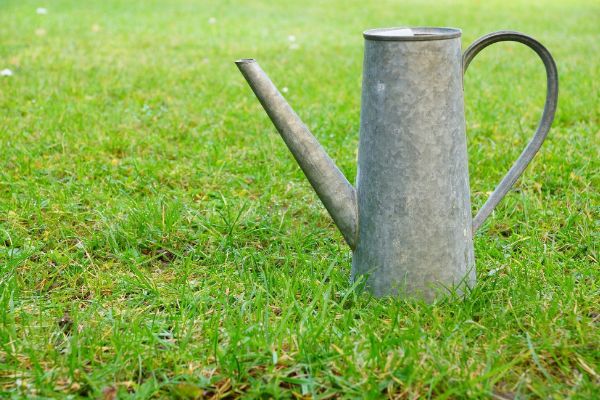
Do not assume the same schedule is appropriate throughout the entire year. Irrigation should reflect rainfall, temperature, soil conditions, and visible lawn needs.
Monitor Soil Compaction
High-traffic areas may become compacted. Aeration can help improve movement of air, water, and nutrients into the soil when compaction becomes a problem.
Watch for Drainage Issues
Persistent standing water should not be treated as a normal lawn condition. It may indicate grading or drainage problems that require correction.
Adjust Seasonal Expectations
Warm-season grasses naturally respond to changing temperatures. Understanding the normal seasonal cycle helps homeowners avoid unnecessary interventions.
Common Problems and How to Prevent Them
Tiff Tuff is resilient, but successful lawns still depend on good management.
Excessive Shade
A Bermuda lawn may thin when it does not receive enough sunlight.
Prevention: Evaluate sun exposure before selecting the sod variety.
Poor Drainage
Standing water can create unhealthy root-zone conditions.
Prevention: Correct grading and drainage problems before or during the lawn project.
Overwatering
More water is not always better. Excessive irrigation can waste resources and contribute to unhealthy conditions.
Prevention: Use an appropriate schedule and inspect irrigation coverage.
Uneven Soil
Low spots and high areas can affect mowing, water movement, and overall appearance.
Prevention: Complete professional dirt work and grading before installation when necessary.
Poor Establishment
Sod can struggle when it does not make proper contact with prepared soil.
Prevention: Focus on site preparation and professional installation rather than treating sod placement as a simple surface project.
Best Time to Install Tiff Tuff Sod in Tulsa
Because Tiff Tuff is a warm-season grass, installation planning should consider its active growth cycle and current weather conditions.
Spring and the warm growing season can provide favorable conditions for establishment. Warmer soil temperatures support active root development, provided the new sod receives appropriate moisture.
Timing considerations include:
- Current temperatures
- Upcoming heat
- Water availability
- Soil condition
- Project size
- Irrigation readiness
Installing during hot weather may still be possible under appropriate circumstances, but moisture management becomes especially important because fresh sod can dry rapidly.
Professional evaluation helps homeowners choose a schedule based on actual property conditions instead of relying on a generic calendar.
Tiff Tuff vs. Traditional Bermuda Grass
Homeowners comparing sod varieties often want to understand how Tiff Tuff differs from traditional Bermuda options.
Both belong to the Bermuda grass family and share several characteristics:
- Preference for sunlight
- Warm-season growth
- Heat tolerance
- Good traffic recovery
- Dense turf potential
Tiff Tuff is particularly attractive to homeowners interested in improved drought performance and efficient water use.
Traditional Bermuda may still be an excellent option depending on:
- Budget
- Property conditions
- Availability
- Maintenance goals
- Lawn use
- Aesthetic preferences
There is no universal answer for every property. The best sod is the one that matches the environment and the homeowner's priorities.
A professional evaluation can help determine whether Tiff Tuff, traditional Bermuda, Zoysia, Fescue, or another available option makes the most sense.
Why Professional Sod Installation Matters
Premium grass cannot compensate for poor installation.
A successful sod project may involve several steps before the first piece is placed:
- Evaluating existing lawn conditions
- Removing old sod
- Clearing debris
- Correcting low spots
- Completing dirt work
- Establishing proper grading
- Addressing drainage
- Inspecting irrigation
- Preparing the soil surface
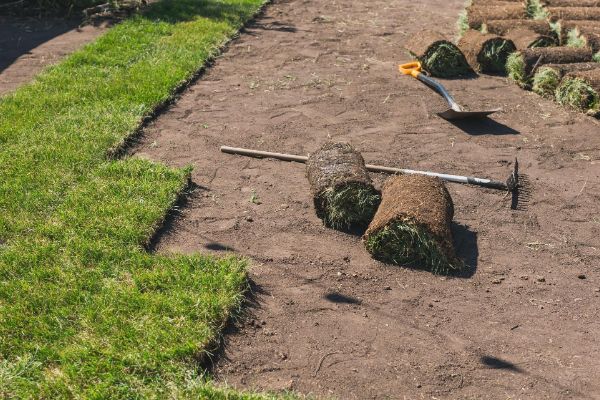
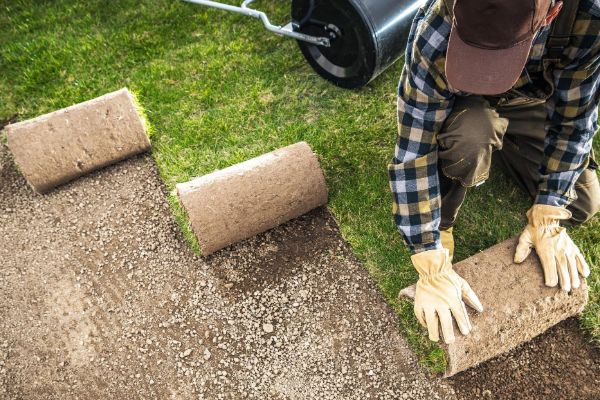
During installation, sod pieces should be positioned carefully to support consistent coverage and strong soil contact.
Professional installation can reduce the risk of:
- Visible gaps
- Uneven surfaces
- Poor root contact
- Inconsistent watering
- Drainage complications
- Premature lawn failure
For homeowners investing in Tiff Tuff sod Tulsa installation, proper preparation is one of the most important ways to protect that investment.
How Arenas Sod Helps Build Stronger Tulsa Lawns
At Arenas Sod, lawn projects are approached as complete systems rather than isolated installations.
Services include:
- Sod installation
- Aeration and overseeding
- Sod removal
- Dirt work
- Grading and soil leveling
- Drain services
- Irrigation system installation
- Irrigation repairs
This range of services is important because many lawn problems are interconnected.
For example, a yard may need old sod removed before installation. Another property may require grading to correct low areas. A third may need drainage improvements before new grass is installed. An irrigation system may also require repair to provide consistent coverage.
By evaluating the broader condition of the property, Arenas Sod can help homeowners create a stronger foundation for long-term lawn performance.
Is Tiff Tuff Sod Right for Your Property?
Tiff Tuff may be a strong choice if your priorities include:
- Drought tolerance
- Heat performance
- Dense warm-season turf
- Recovery from regular traffic
- Efficient water use
- A lawn suited to sunny conditions
However, another grass variety may be more appropriate if your property has extensive shade or different seasonal priorities.
Before deciding, consider:
- How many hours of direct sunlight does the yard receive?
- Does water pool after heavy rain?
- Is the soil compacted?
- Is the irrigation system working efficiently?
- Will children or pets use the lawn heavily?
- How much maintenance do you expect to perform?
- Do you prefer warm-season or cool-season characteristics?
Answering these questions helps turn sod selection into an informed landscaping decision.
Conclusion: Build a Lawn for Oklahoma Conditions
A successful lawn should be selected for the environment where it will actually grow. Tulsa homeowners need to consider heat, water use, sunlight, traffic, soil conditions, and seasonal changes before investing in new sod.
For many sunny properties, Tiff Tuff sod Tulsa homeowners consider offers an attractive combination of drought tolerance, durability, dense growth, and warm-season performance.
The grass variety is only one part of the result. Proper sod removal, soil preparation, grading, drainage, irrigation, installation, and aftercare all contribute to long-term success.
Contact Arenas Sod today to discuss Tiff Tuff sod installation in Tulsa and surrounding areas. Our team can help evaluate your property, prepare the site, and build a stronger foundation for a healthy, attractive lawn.